Cultural & Economic Comparison Of Heirloom with Antiques.
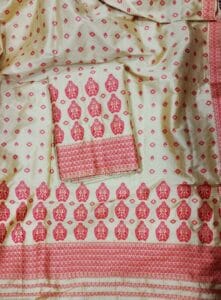
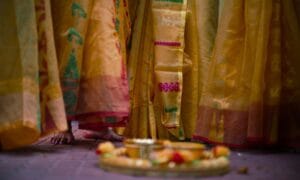
Cultural & Economic ComparisonIt is instructive to compare heirloom textiles with antiques — or even with the global trade in vintage fashion — to clarify why handlooms are fundamentally different:1. Antiques as ObjectsAntiques are typically static. A painting, porcelain or furniture piece is displayed, admired, stored. Its value is aesthetic, historical and often speculative (i.e., investment). A saree that never leaves a drawer becomes a textile object.2. Handlooms as Living ArtefactsBy contrast, handloom textiles like Paithanis or Banarasis are usable heirlooms: clothes that have been designed to be worn, draped, felt against the skin, and carried into new moments of life.When Maharani Radhikaraje chose to wear a 100-year-old Paithani saree in black to a modern fashion celebration, she was not staging a retro photo opp — she was asserting that heritage textiles can bridge eras, remaining culturally alive rather than museum-bound. �Maharashtra Times3. Cultural TransmissionA sculpture or antique desk may represent a past era, but moth-eaten textiles do more: they carry the hands that wove them, the iconography of their time, and the rituals they were part of — like weddings, rites of passage, and family ceremonies. This cultural continuity is why classic aristocratic families treat textiles as heirlooms — with ceremony, respect and lineage. These pieces are not “pre-owned fashion” but legacy items. The Misconception of ‘Sustainability’ in Vintage SellingIn recent years, some segments of the fashion industry have popularised selling “old sarees” under the banner of sustainability. The logic goes: re-sell grandma’s saree, reduce consumption, reduce waste. On the surface, this seems noble — and indeed, promoting reuse and craft longevity is important.But there is a conceptual pitfall here: Sustainability as Tool, Not Identity. Sustainability should be a means, not a marketing identity. When vintage textiles are sold purely to meet consumer appetite (often at a markup), without context, provenance or respect for craft, they become fashion accessories rather than cultural artefacts. This contrasts sharply with how heirlooms are treated in royal and upper-class traditional contexts:They are explicitly documented for lineage.They are preserved with archival care.They are worn in culturally significant moments — weddings, festivals, rituals — not as disposable fashion.In the words attributed to Radhikaraje Gaekwad, these heirlooms are “history, art and culture woven together.” �RADHIKARAJE GAEKWAD A Marketing Mistake: Conflating Vintage Sale with Heritage ValueWhen brands or sellers pitch thrifted old sarees merely as eco-friendly fashion picks, they can mislead consumers into thinking all old textiles are heirlooms.They are not.A decades-old saree that has no known provenance is not the same as a centuries-old handloom passed down through generations. The “story” in heirlooms isn’t an afterthought — it is the value. Examples from Royal Families: Tradition Written in Threads Royal and aristocratic families around the globe provide powerful analogies for heirlooms that transcend fashion.India: Beyond JewelleryFrom the Jaipur royalty’s preservation of Sawai Madhavrao’s turbans to the Baroda family’s centuries-old Paithanis and Chanderis, these textiles are treasured as heirlooms.When Maharani Radhikaraje wore a Paithani woven with gold threads, the reaction was not merely admiration of beauty — it was recognition of material continuity across time. �The Times of IndiaLikewise, in many Indian mahals, textiles worn by queens at family weddings are saved, catalogued, passed to daughters — a practice far older than the modern vintage market. Global Upper Classes: Comparable PracticesEuropean aristocracy kept bespoke textiles — embroidered robes, coronation garments, ceremonial robes — as heirlooms. These are rarely “sold” for profit; they are hoarded, preserved and displayed selectively.This contrasts with new-school vintage resellers who commoditise items without context. The Upper Middle Class and “Old Money” PerspectiveIf royal families represent the extreme end of heirloom preservation, there is equally a lesson for upper middle class “old money” families — those with inherited wealth, cultural capital, and trans-generational values.For these families:Handlooms are not commodities — they are family artefacts.A Paithani or Banarasi from a grandmother’s wedding holds emotional value that surpasses resale value.The narrative of wearing such textiles at personal milestones provides identity continuity.Many old-money families in India still stitch, preserve and pass on handloom sarees as part of their cultural patrimony — and they do so without marketing labels or social media promotion. The value is intrinsic, not transactional.Why the Antique Mindset Matters More Than ‘Vintage Fashion’The word antique is not just about age. It denotes:ProvenanceCultural significanceCraftsmanshipHistorical relevanceWhen a family keeps a Baroda Shalu or a handwoven textile from the early 20th century, they are preserving an artifact akin to an antique painting or historic jewellery. This is fundamentally different from the modern thrift or vintage resale industry, which often: Ignores provenance. Prioritises trend over history. Reduces textiles to fashion items. Thus, to dilute heirloom value into a sustainability narrative — without cultural or historical framing — is to strip these textiles of their very essence. The Power of Storytelling in Marketing HeritageAs a marketing expert, it’s important to distinguish transactional selling from story-driven legacy positioning. Handloom heirlooms should be marketed like heritage brands, not like disposables.Consider these narrative pillars:1. ProvenanceEvery heirloom tells a story:Who wore it?On what occasion?What cultural ritual did it carry?For instance, when Maharani Radhikaraje wore her family’s Paithani in a modern setting, the narrative became about continuity and revival, not just fashion. �The Times of India2. CraftsmanshipHandloom textiles are artisanal products — not industrial output. They require hundreds of hours of handwork, centuries-old knowledge, and artistic nuance. This alone positions them above mere vintage garments.3. Legacy & IdentityHeirlooms represent identity — family names, regional crafts, historical continuity. This is why they resonate emotionally with audiences, especially in markets that value heritage. Towards a New Understanding of SustainabilityFinally, sustainability should not be reduced to re-selling garments. Genuine sustainability includes:Preserving craft traditionsSupporting weavers with fair wagesEducating consumers about cultural contextMaintaining provenance, not just price tagsWhen respected custodians like Maharani Radhikaraje place traditional textiles in the spotlight, they do so not to cash in on trends, but to reaffirm textiles as portals into culture and history. �RADHIKARAJE GAEKWAD Handlooms Outlive TrendsIn a time of fleeting fashion cycles, the idea of an heirloom must rise above hashtags and seasonal trends. Handloom textiles — especially those preserved as family heirlooms — are cultural testimonies, not commodities.To treat them as sustainable “secondhand fashion” ignores centuries of meaning and ownership. Instead, we must celebrate heritage textiles like Paithanis, Chanderis, and Banarasis as what they truly are:Threads of history, woven with care, carried across generations.And in that context, as Maharani Radhikaraje Gaekwad herself illustrates, wearing these heirlooms is not a retro act — it is an affirmation of lineage, identity and craft that no marketing fad can replicate.