Why Tradition Outweighs Trend
In today’s fashion and lifestyle landscape, sustainability has become a buzzword, a hashtag and a rapidly monetised industry. From ‘upcycled’ denim jackets to ‘vintage’ market pop-ups, the 21st-century marketplace celebrates reuse as a virtue. Yet there is a deep cultural shortfall in much of this modern thinking: recycling old sarees under the banner of sustainability does not make them heirlooms — and thinking otherwise risks trivialising the profound cultural value woven into genuine handloom heritage.
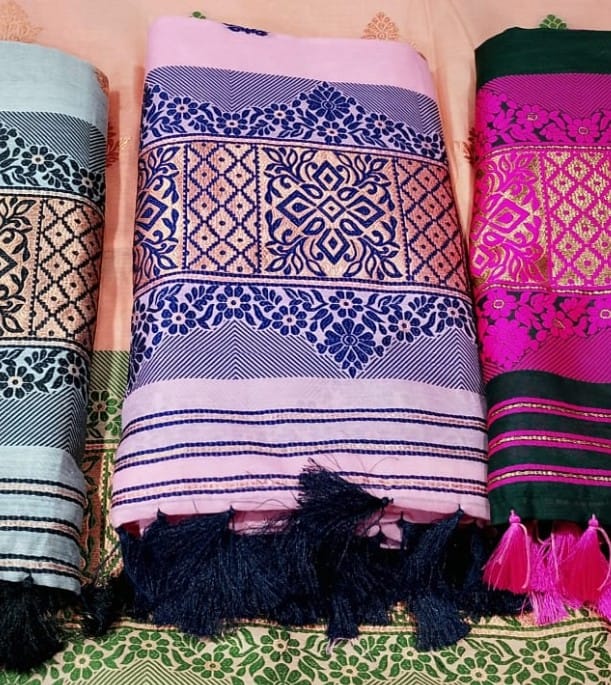
Handloom textiles — especially those treasured across generations in wealthy, classically inclined families — are not items of mere eco-conscience. They are living stories, cultural artefacts, and emotional touchstones for identity, lineage and legacy. Unlike trendy vintage commerce, true heirlooms like handwoven Paithanis or Chanderis hold centuries of history in every thread.
To understand this fully, we draw lessons from aristocratic circles and royal families who have been the custodians of heirlooms long before fashion re-discovered nostalgia as a marketing tool. Among them, one voice stands out as particularly resonant — that of Radhikaraje Gaekwad, the Maharani of Baroda.
The Royal Perspective: Beyond Fashion to Cultural Custodianship
For many, the idea of an heirloom is linked to jewelry passed down, a grandmother’s ring, or grandfather’s watch. But in aristocratic traditions, textiles themselves can be far more significant — not merely objects of adornment but embodiments of heritage and identity.
When Maharani Radhikaraje Gaekwad appeared at designer Sabyasachi Mukherjee’s 25th anniversary gala wearing a century-old Paithani saree — a textile woven with real gold zari and rich traditional motifs — the moment was widely celebrated in the press not simply as fashion spectacle, but as an act of heritage revival.
The Times of India
In her own words captured through media snippets and interviews, she reflects on these heirlooms as more than garments — they are history, memory, and emotional continuity woven into silk.
This commitment runs deeper than occasional red-carpet appearances. Maharani Radhikaraje has participated in textile preservation initiatives, championed traditional crafts like Chanderi and Barodashalu weaving, and positioned these textiles not as museum relics but as living, wearable heritage
Handlooms as Real Heirlooms
Type your paragraph here

