

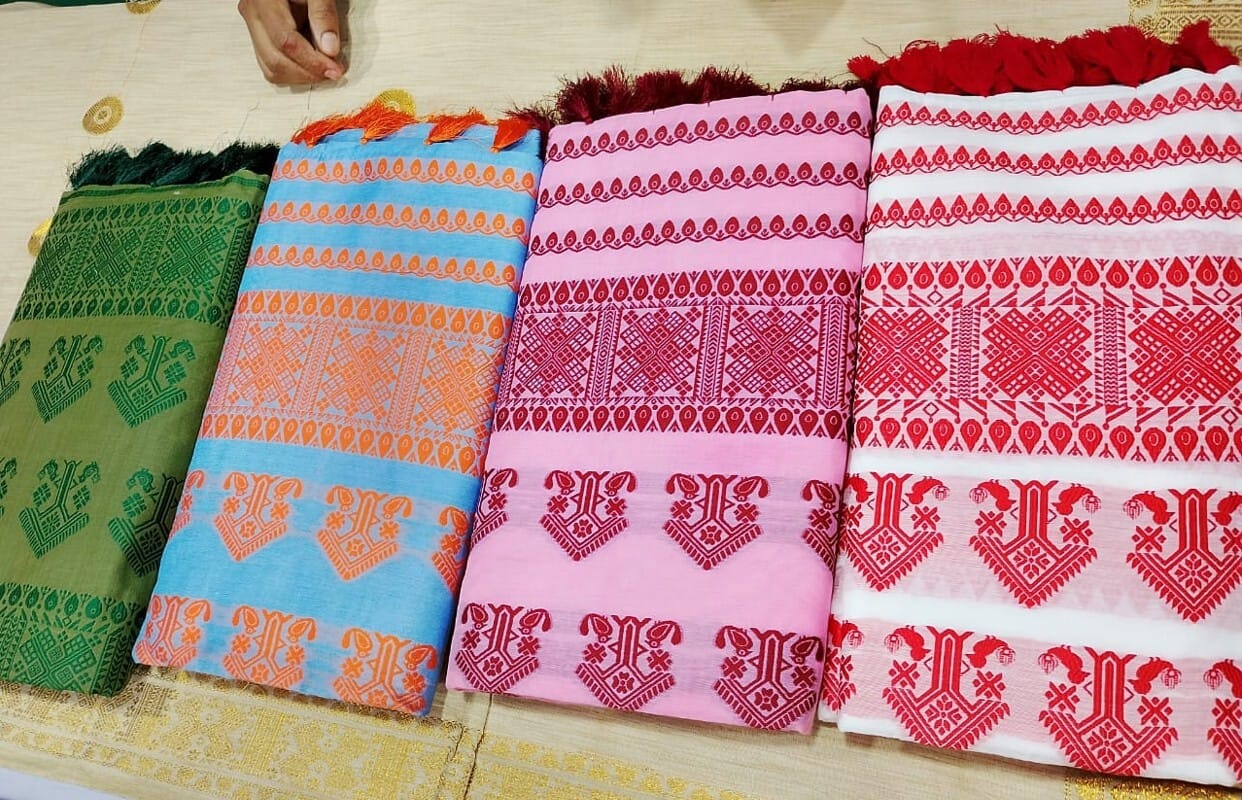
Handloom silk is more than a fabric—it is a legacy woven with patience, skill, and cultural memory. Every thread carries the touch of an artisan, making each piece unique. Unlike mass-produced textiles, handloom silk demands mindful care. With the right approach, it doesn’t just last long—it becomes more beautiful over time.
The first and most important rule is to treat silk gently. Ideally, handloom silk garments should be dry cleaned, especially during the initial washes. This helps preserve the richness of the weave and the integrity of natural dyes. However, if you prefer washing at home, always use cold water and a mild detergent. Harsh chemicals strip away the natural sheen of silk and weaken the fibers. A gentle dip-and-rinse method is best—avoid scrubbing or soaking for long periods, as silk is highly absorbent and delicate.
Drying is equally important. Never wring or twist silk to remove water, as this can distort the fabric and damage its structure. Instead, gently press out excess water and allow the garment to dry in shade. Direct sunlight can fade the vibrant colors and make the silk brittle over time. Hanging it in a well-ventilated, shaded area helps maintain both color and strength.
Ironing silk requires a light touch. Always use a low heat setting, preferably the “silk” mode on your iron. Turning the garment inside out before ironing adds an extra layer of protection. For added safety, place a thin cotton cloth over the fabric while ironing to prevent direct heat contact. This helps retain the natural luster that makes silk so prized.
Storage is where long-term care truly matters. Handloom silk should never be stored in plastic covers, as they trap moisture and can lead to fabric deterioration. Instead, wrap your garments in breathable muslin cloth and keep them in a cool, dry place. Refolding the fabric every few months prevents permanent creases and maintains its structure. Adding natural protectors like neem leaves or silica sachets can help guard against moisture and pests.
It’s also important to understand that slight color bleeding or variations in texture are not flaws but characteristics of authentic handloom silk. These nuances are what distinguish handcrafted textiles from machine-made ones. Embracing these imperfections is part of appreciating the artistry behind the fabric.
Finally, avoid spraying perfume or deodorant directly onto silk, as the alcohol content can stain or damage the fibers. Instead, apply fragrances before wearing the garment and allow them to settle.
Caring for handloom silk is not complicated—it simply requires awareness and respect for the craft. When treated with care, these garments do more than endure; they evolve. Over time, they soften, gain character, and become heirlooms that can be passed down through generations.
In a world of fast fashion, handloom silk reminds us to slow down, cherish quality, and preserve tradition. Because true luxury isn’t just in owning something beautiful—it’s in caring for it, so it remains timeless.